Before The Canvas
Long before I was creating layered mixed-media artwork, cutting intricate stencils, or building brands as a designer, I was just another kid chasing graffiti.
Between 1994 and 1998, Southern California was experiencing what many still consider the golden years of hip-hop and graffiti. While I grew up in Orange County, my heart was somewhere else. It lived in the rail yards, abandoned buildings, freeway walls, and underground hip-hop clubs scattered throughout Los Angeles.
Those years didn’t just influence my artwork they became part of who I am.
Back then, every paycheck from my part-time job had only one purpose: buying spray paint. I’d load thirty cans into the back of my car, and every speed bump reminded me they were there as they rattled around in the trunk. To anyone else they were just cans of paint. To me, they represented possibility.
Graffiti wasn’t simply about putting your name on a wall.
It was about creating a letter style that nobody had ever seen before. It was about earning respect. It was about taking risks in places where most people wouldn’t dare spend five minutes.
Some nights we’d paint massive top-to-bottom productions off the side of Los Angeles freeways, climbing ladders while respected writers watched every move we made. Other nights we’d be searching freight yards, hidden industrial lots, or forgotten hillsides looking for untouched walls and containers that simply needed to know we had been there.
Places like Belmont Tunnel, Motor Yard, and the back of Hep Le Market in Long Beach became classrooms. I painted alongside members of legendary crews like NASA, UTI, and Lords. Every wall pushed me to improve my lettering, my color choices, and my confidence.
Looking back, it wasn’t just art.
It was survival.
My closest painting partner was a left-handed Sicilian kid from Orange County who had drifted out of Los Angeles’ rave scene before finding the same passion I had for skateboarding, graffiti, and hip-hop. Watching him build letters with his left hand always fascinated me because every writer searched for originality. Nobody wanted to copy someone else’s style. The goal was to break the mold while earning respect from writers whose opinions actually mattered.
As we dug deeper into the graffiti world, we found ourselves around people we probably had no business hanging around.
Tattooed gang members.
Older writers with reputations.
Neighborhoods where it was obvious we didn’t belong.
Sometimes we’d be painting when another crew or worse, a local gang wandered into the yard. In those moments you quickly learned whether your friends really had your back.
Fortunately, mine always did well atleast most of the time…
Not every night ended with a successful piece.
Sometimes it ended with running.
Sometimes with getting arrested.
Sometimes with wondering how I was going to explain another late night to my parents.
My parents had separated during those years, and looking back, that gave me a little more freedom than I probably should have had. I ditched school. I met the wrong people. I got into situations that could have ended very differently.
But I also found something that would shape the rest of my life.
At the same time, Los Angeles was exploding with hip-hop culture.
One of the most unforgettable places was Unity, a legendary club held inside an abandoned bowling alley off Martin Luther King Boulevard. For five dollars you could watch members of the Wu-Tang Clan perform before they became household names. Hieroglyphics would take the stage. Del the Funky Homosapien would perform while enormous circles of breakdancers battled across the floor. Crews like the Ragaz turned dancing into organized chaos.
If you were there, you remember.
If you weren’t, it’s almost impossible to explain the energy.
Those nights taught me that creativity wasn’t limited to one medium. Graffiti, music, dance, fashion, photography, and design all collided into one culture that rewarded originality above everything else.
That mindset has never left me.
Years later, life changed.
I spent decades building a career in graphic design, branding, and creative direction. It was fulfilling work, but eventually life forced me to slow down.
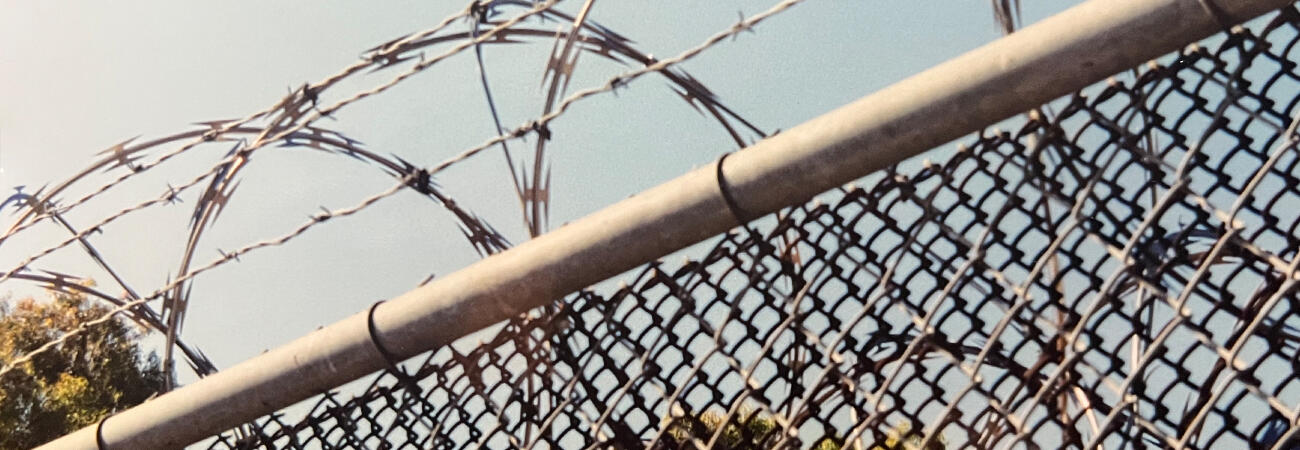
Losing my father changed me in ways I didn’t expect.
Every canvas became a conversation with my past.
Sometimes I wanted to uncover those memories.
Sometimes I wanted to cover them up.
That tension became the work itself.
Pieces like Are You High? aren’t fictional ideas. They’re rooted in real moments from growing up in the 1990s. It’s the question parents asked when you stumbled through the front door after being out all night. You knew the answer. They knew the answer. But somehow everyone pretended otherwise.
Those shared experiences are what I try to capture in my artwork today.
My paintings aren’t simply about nostalgia.
They’re about memory.
They’re about youth, rebellion, family, identity, humor, mistakes, and the strange way our past quietly shapes who we become.
When people look at my work, I hope they don’t just see spray paint, collage, or stencil techniques.
I hope they remember something from their own lives.
The dangerous adventures.
The funny stories.
The music.
The friends.
The mistakes.
The nights that somehow became the memories we cherish decades later.
This is why I came back to art.
Not because I left design behind.
But because art gave me a language that words never could.
The stories behind these paintings are only beginning. There are countless adventures from those years that deserve their own chapters, and I’ll be sharing many of them here in the future.